

#7 How I stopped doomscrolling

4th Jan 2026 : Revisiting my 2025 Goals
This Week’s Whisper from the Universe
You are what you consume
Let’s Overthink This
Hi!! It’s been a while.
I took a fairly long break from writing, partly because I was recovering from an injury last year, and partly because recovery isn’t always a clean, linear thing. Some days I still feel like I’m recovering, but we’re not opening that door today.
The honest version is: I was sad. And when I’m sad, creating feels hard. Showing up for myself feels harder. So I didn’t.
I am better now. Or at least better enough to be here again. And if I’m noticing a pattern, it’s that I tend to feel the urge to write at the beginning of the year. Is that motivation? Is that false hope? Is that just who I am? The sample size is two years, so we’ll circle back later.
For now, let’s talk about today’s quote.
“You Are What You Consume”
This quote is annoyingly true.
It applies to everything, the food we eat, the media we consume, the books we read, the people we spend our time with. There’s that very popular idea that you’re the average of the five people you hang out with most (I’ve spoken about this before — Click here later), but in 2024, when I was at a very low point, I realised something slightly more uncomfortable:
I wasn’t just influenced by my environment.I was actively feeding myself chaos.
Doomscrolling, obviously. But not just that.
It was the constant background noise, something always playing, something always talking at me. Reels, videos, podcasts. And while it all felt harmless, even "productive" at times, it slowly became overwhelming.
The worst part? It gave me a false sense of doing something. Like I was engaging with ideas, learning, staying informed, when in reality, I was just tired and overstimulated.
I thought I had it under control.Turns out, I didn’t.
Phase 1: The All-or-Nothing Reset
I’ve realised about myself that when I need to regulate something, I can’t ease into it. I need to stop completely for a bit, figure out what I actually miss, and then reintroduce things with intention.
Timers don’t work for me. I will bypass them without guilt or hesitation. So I had to remove access instead of relying on self-control.
I deleted Netflix, Prime, Hotstar from my phone and iPad.
Somehow, my laptop still feels like a “serious” device. A device meant for work, learning, creating. So if I wanted to watch something, I had to make a conscious effort: open my laptop or turn on the TV (the real purpose of the TV) That tiny bit of friction helped more than I expected.
I also changed my phone’s layout so my muscle memory wouldn’t automatically open Instagram or YouTube. That one small change broke the unconscious loop.
I didn’t delete Instagram or YouTube entirely because:
I genuinely enjoy long-form YouTube content (Is short form content out??)
Instagram is how I talk to friends and exchange memes (important social currency)
So instead of deleting, I made rules.
The Initial Rules
Do not open Instagram to scroll reels
Do not open YouTube to scroll shorts
No streaming apps on phone or iPad
Set timers anyway, even if they feel useless
The first week was uncomfortable.After that, it got… surprisingly manageable.
Phase 2: Filling the Silence (Without Forcing Productivity)
Once I removed the noise, I had a lot of time.
Normally, my life is filled with movement; dancing, running, working out. But because I was injured, all of that had stopped. That empty time was exactly what pushed me toward scrolling in the first place.
So instead of trying to “optimize” myself, I went back to things I already liked.
Old hobbies I returned to:
crocheting
painting
writing
Writing didn’t last long publicly but I did write in my journal, privately. No pressure. No audience. Just somewhere to put thoughts.
I also decided to cultivate a new habit: reading physical books.
Not audiobooks. Not summaries. Just sitting and reading.
I’ve never been an avid reader. As a kid, I read textbooks(I was and am a kid who enjoys reading textbooks), short articles, and encyclopedias (mostly for the pictures). Non-fiction (the self help genre in specific) still isn’t my thing. But I wanted something immersive, something that could replace doomscrolling without feeling like effort.
So I chose short, engaging fiction. Page-turners. Books that felt easy to pick up.
The first one was The Vegetarian by Han Kang; short, unsettling, impossible to ignore. It worked.
Phase 3: Accountability (The Unexpected Bonus)
I added a section called “Literary Character Moment” to this blog.
And unexpectedly, that helped.
If I wanted to add value there, I had to read something. That small public commitment kept me accountable. I did this consistently for about three months.
Eventually, reading became a habit on its own, even when writing slowed down again because of my mental state and work. The habit stayed, even when the output didn’t. And that felt important.
Separately, I’m very motivated by visual trackers. I love seeing tick marks on paper. I won’t lie to myself about them. Go ahead, call me weird.
Social accountability works too. Posting progress, sharing small wins. I did this during my 75 Soft challenge in 2024, when I felt like life was slipping by, and it genuinely helped me stay anchored.
Phase 4: Reintroducing Social Media (With Boundaries)
After about three weeks, I loosened the rules slightly.
Because reels and memes are how people connect. Ignoring that entirely isn’t realistic.
So I adjusted.
The Updated Rules
You can watch a reel if a friend sends it — but you cannot scroll further
You can watch reels on your home feed — no scrolling beyond what appears naturally
You cannot open the Explore page (this is a trap, trust me)
These boundaries were enough to keep me connected without pulling me back into the loop.
You Really Are What You Consume
If you consume constant noise, your mind will feel noisy.If you consume chaos, everything feels heavier than it needs to be.And if you consume things with even a little intention, you start feeling more like yourself again.
A Short, Practical Summary
If any of this resonated, here’s what actually helped me:
Remove frictionless consumption (especially from your phone)
Don’t rely on timers if you know you’ll override them
Replace scrolling with something immersive, not “productive” (Life is not an optimisation problem)
Use accountability — visual trackers or public commitments
Reintroduce social media slowly, with clear rules
Never underestimate how powerful small changes can be
You don’t need to consume less. You just need to consume better.
And sometimes, that’s enough to start feeling like yourself again.
(Let me know if you would like my recommendations of books, articles, substack authors I follow, etc, will work on curating those lists)
If you're here from instagram then you probably already went through part 1 of my reading list from last year, and if not here's the list (see post here) with my short reviews and ratings to get that book and start reading or do something away from your screens for the joy of it, not with the intention of being "productive".
This Week's Soundtrack
Checkout all the songs from the previous editions of the newsletter
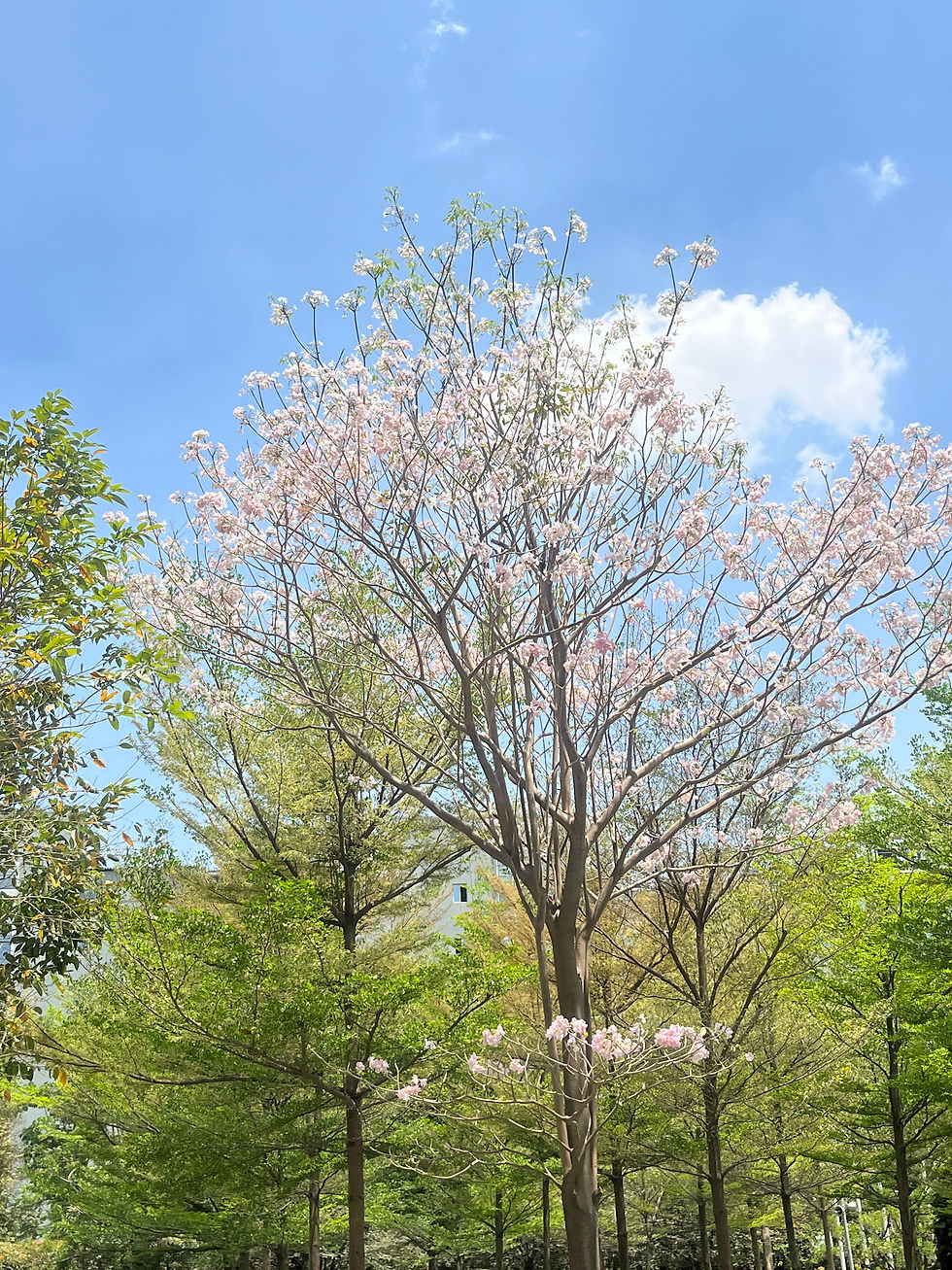
Freeze Frame

Nom Nom Nom

Literary Main Character Moment
Currently reading Days at the Torunka Café, it's a very cute, slow and slice of life read.
Checkout my socials and keep me accountable
What’s Cooking in Your World?
If you know any good authors on substack or books that you could not keep down, comment them down below for me and the other readers here!!
Byeee, Don’t Forget to Hydrate <3



Comments